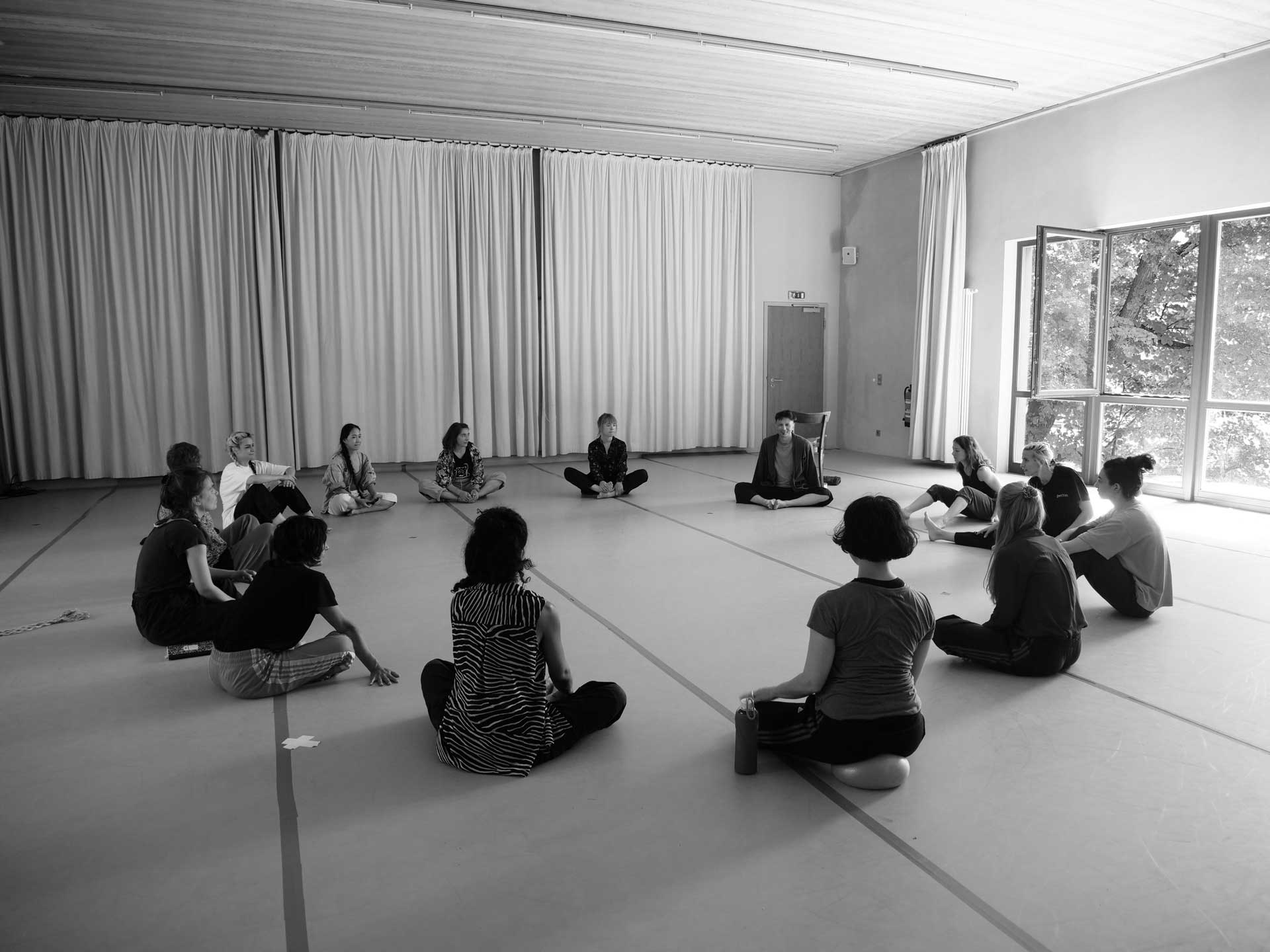
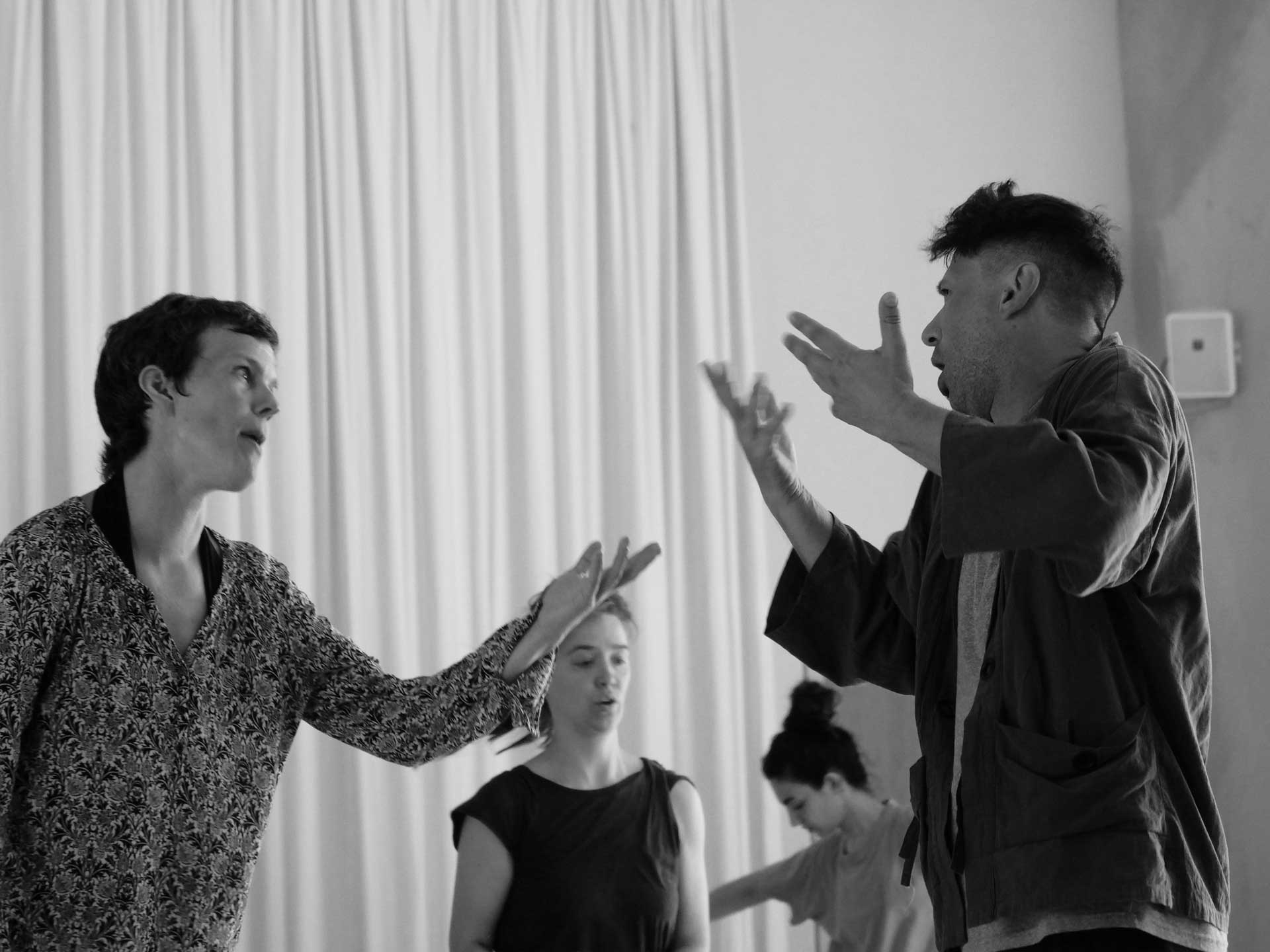
TEACHING
workshops
instant composition · improvisation
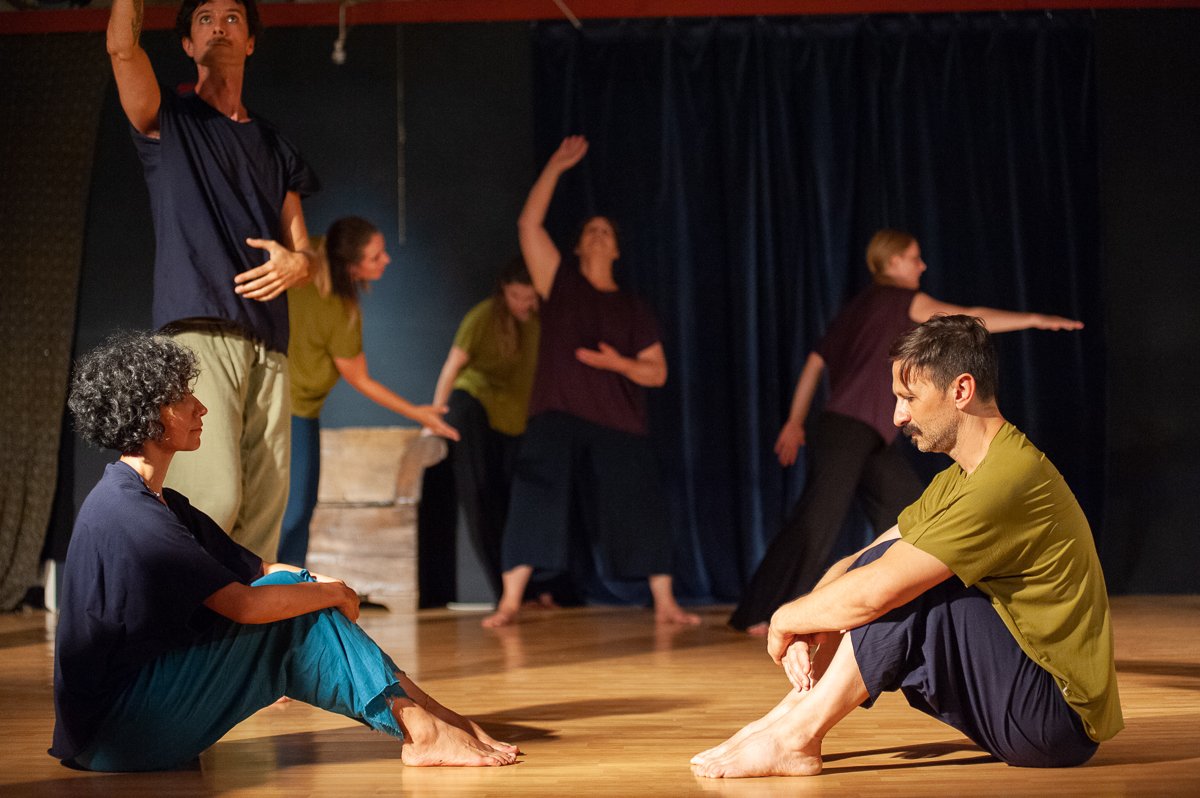
teaching
The approach
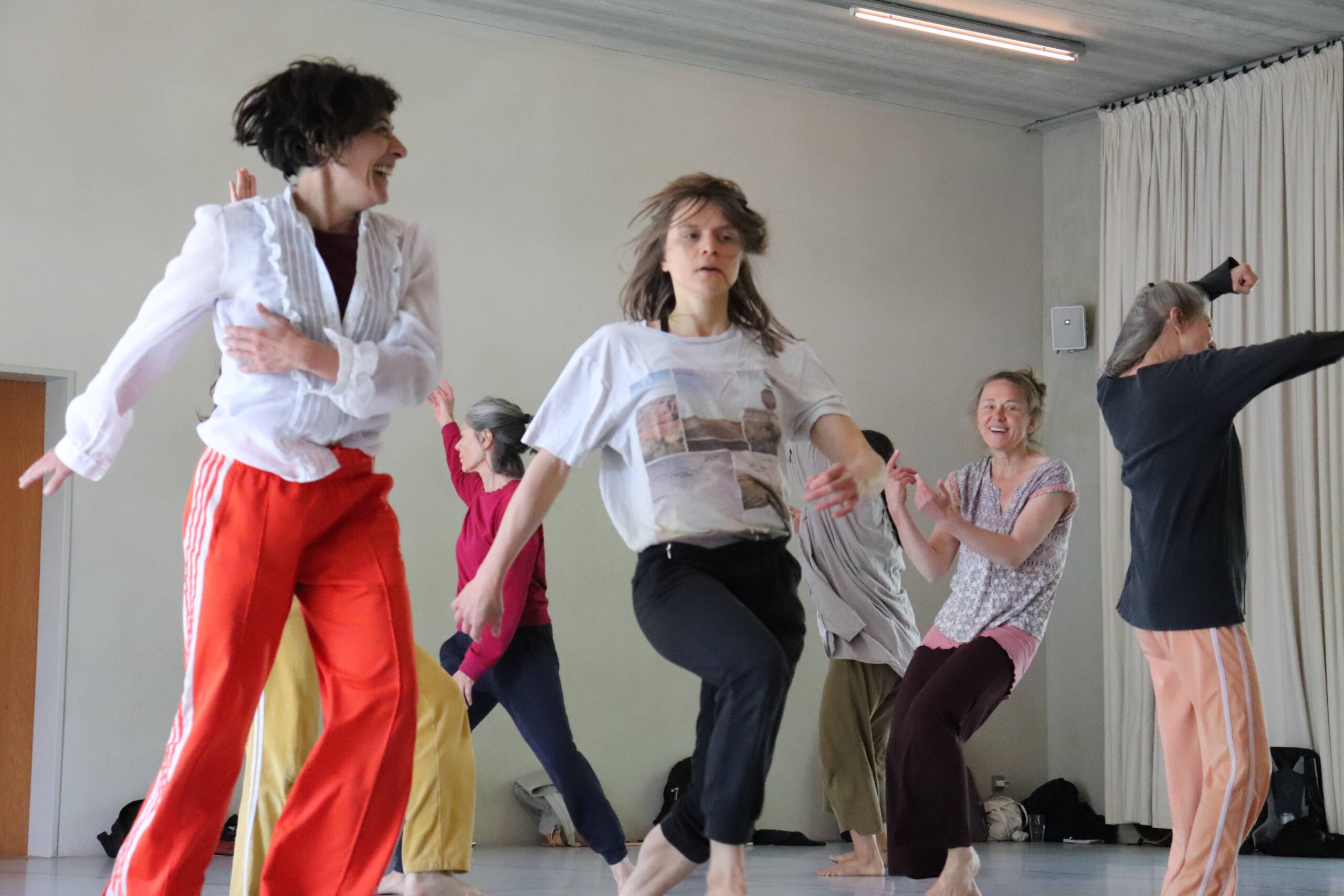
‘Instant Composition’ stems from this simple idea: the ‘present moment’ cannot be fully predicted or controlled, but we can participate in it fully and navigate it through movement.
The work offers a journey through which improvisation becomes a precise artistic practice. It is not simply a matter of letting go or reacting spontaneously to what is happening, but of developing the tools needed to compose while dancing.
We work on the perception of weight and the use of support, on listening to the body and the environment, and on the relationship between intention and perception, between intuition and memory. Attention shifts constantly from the body to the environment, from the other dancers to the sound, from the individual action to the overall composition.
In this process, the choreography is not established in advance: it emerges at the very moment it is danced.
The choreography thus becomes an act of listening and decision-making. Every movement alters the range of possibilities, and every choice creates new conditions for what follows. The dancer is simultaneously the director, creator and performer of what is happening.
Instant Composition therefore requires both a great readiness to listen and disciplined precision: the ability to be delighted by one’s own movement, but also to recognise when a choreography can be developed, restrained, transformed or related to what is happening in the environment and amongst others.
The work develops tools such as presence, listening, quickness, intuition, openness, attention and a sense of composition.
The aim is not to control improvisation, but to acquire a greater ability to navigate the unpredictability of the present and to transform it into choreographic material.
what we work on
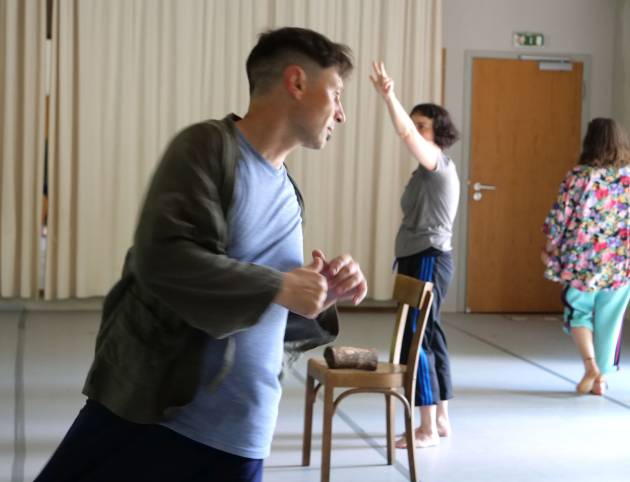
Composition does not arise solely from movement. Any element present on stage can become material and contribute to the construction of the performance.
The body in space-time
Kinesthetic sensations, weight & support, anatomy in motion, ways to perceive space and time, presence and quality of movement.
The voice
Sounds, words, texts, silences and the relationship between the meaning of words and bodily perception.
Objects
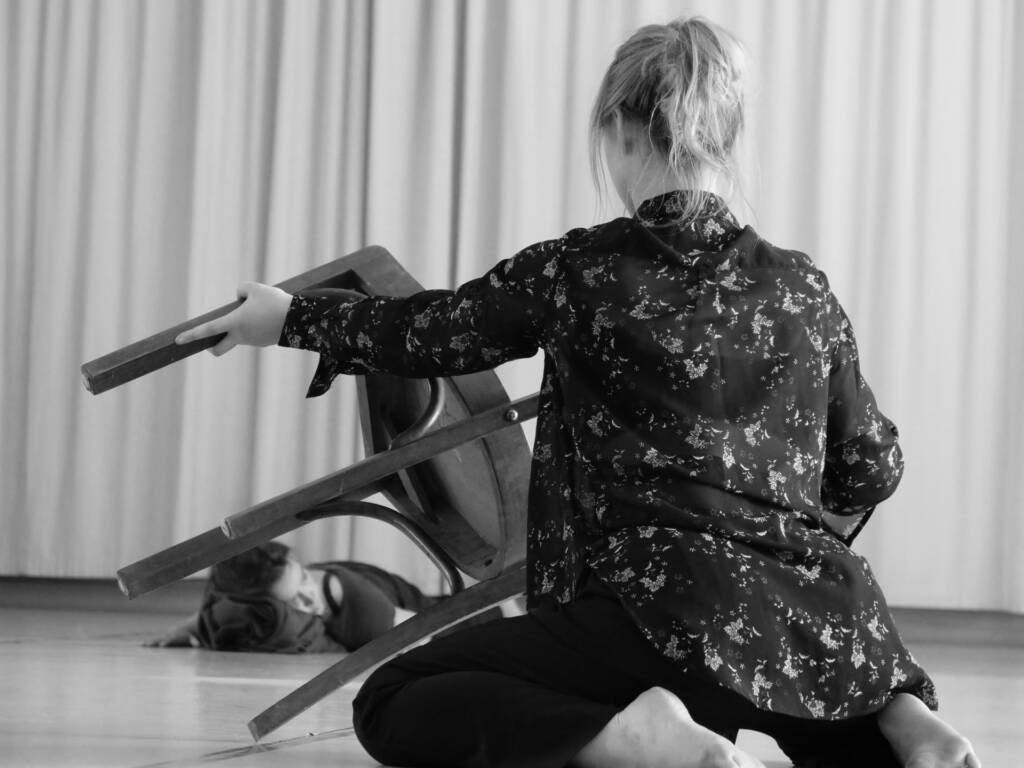
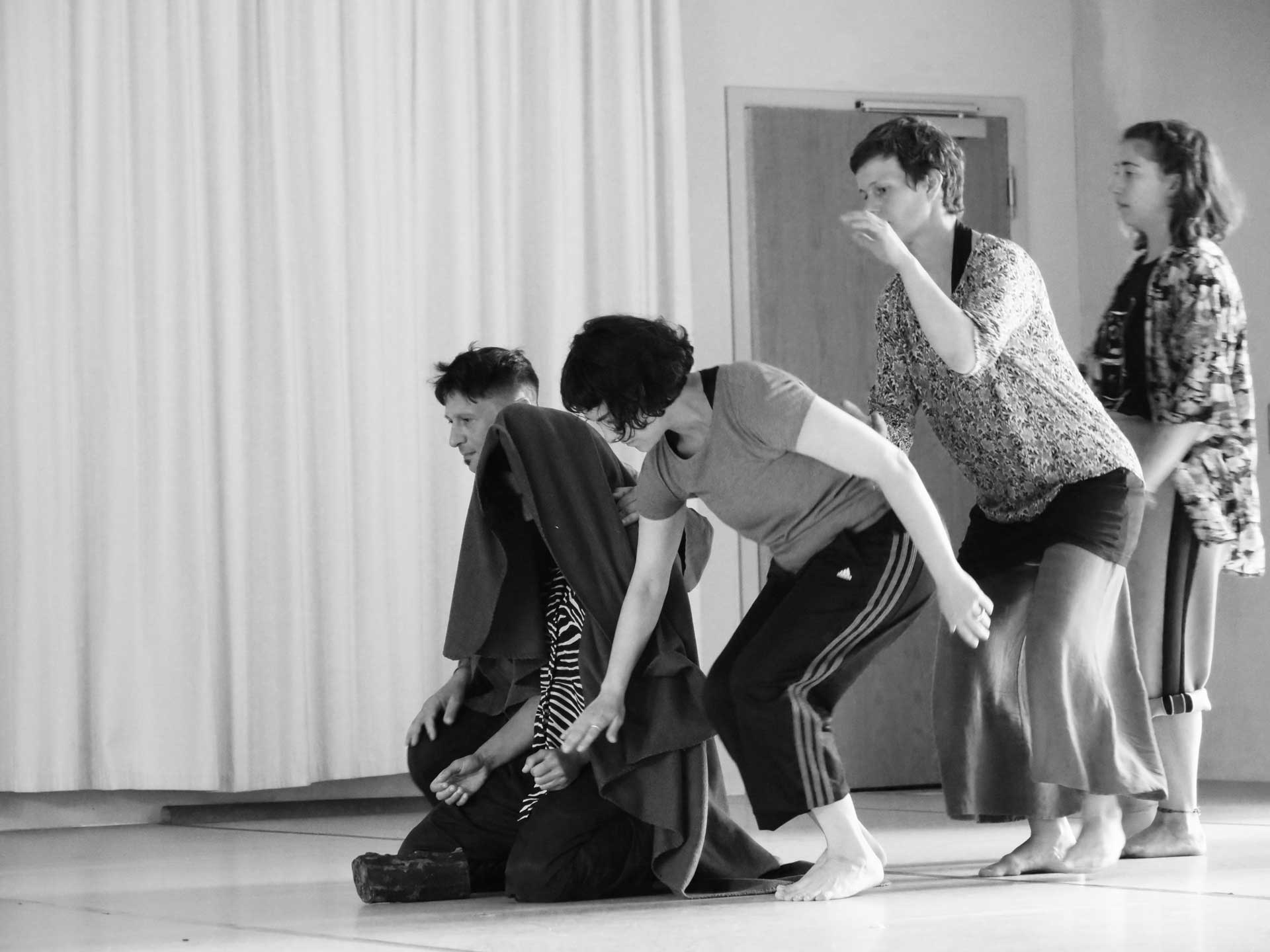
Their presence, their use, the transformation of their function and their relationship with the body.
Music and sound
Dance and music, creating one’s own rhythm, relationship with music, whether live or recorded.
The other dancers
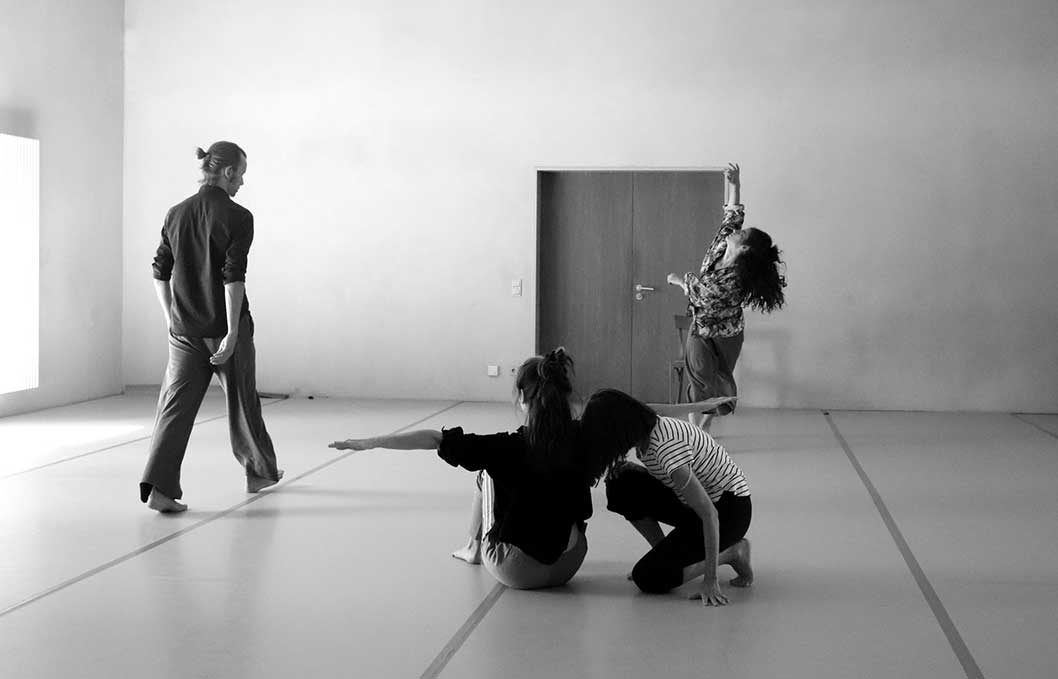
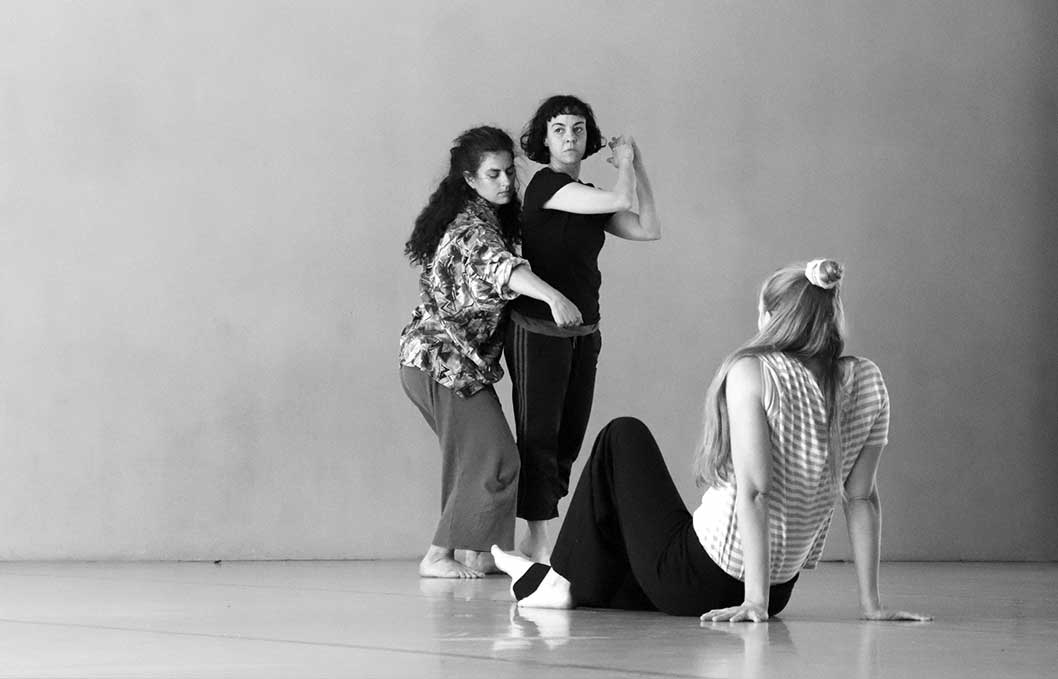
The ability to perceive and embrace what is happening around us, acting individually to arrive at a group composition.
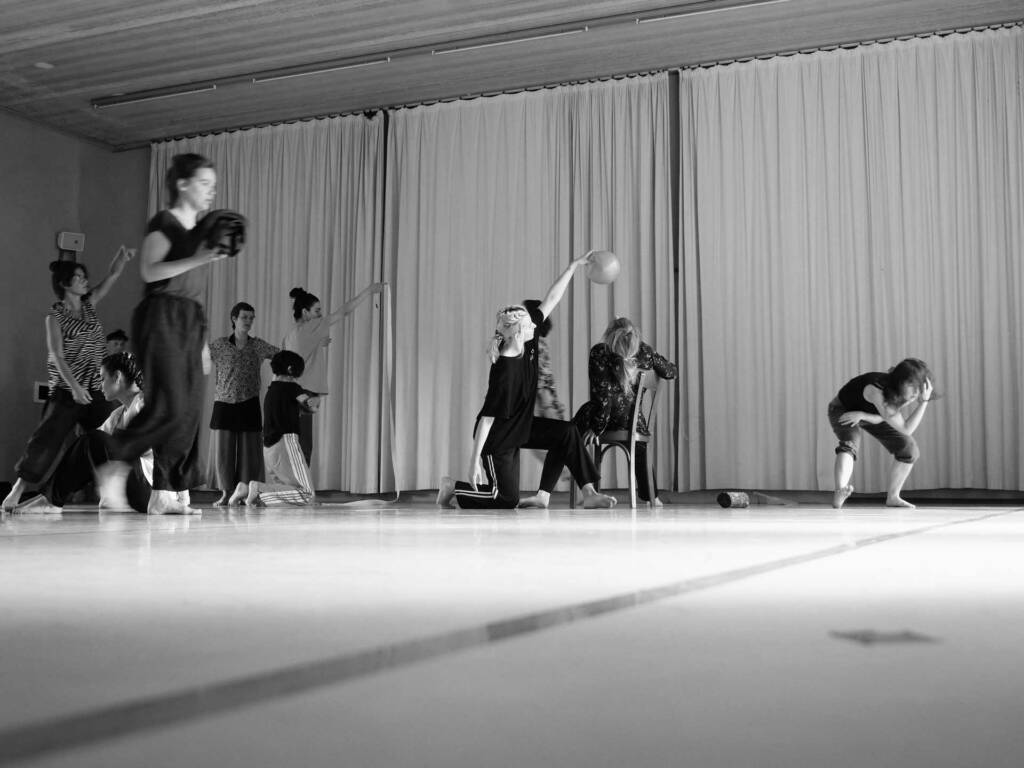
Instant Composition arises from the continuous interaction between these elements. Movement, voice, space, objects, sound and the presence of the performers influence one another and produce, moment by moment, scenes, events, relationships and narratives.
Composition means learning to recognise these relationships and to navigate within them.
Improvisation or Insatnt Composition?
Improvisation is the ability to be present within the unknown.
The present is constantly changing: something happens, alters the situation and opens up new possibilities. To improvise means developing the ability to perceive these changes, to be open to accepting them and to respond according to one’s intuition and compositional sensibility.
But Instant Composition introduces a further level.
It is not enough to be open to what happens: one must learn to compose through what happens.
The flow of improvisation can thus become a momentary choreography, a form that arises, develops and disappears in the space of a brief moment. Dance is an ephemeral art, yet one that is embodied; a momentary experience, yet one capable of leaving a lasting impression on participants, audience and dancers alike.
This is why improvisation and composition are not two separate practices.
Improvisation opens up a field of possibilities.
Composition gives shape to what emerges.
The work consists of moving continuously between these two levels: remaining open to the unexpected and, at the same time, taking responsibility for one’s own choices.
Dancing thus becomes an act of participation: listening to what is happening, engaging with it and contributing to the creation of a choreography that exists only in the present moment as it unfolds.
A practice for learning not simply to improvise, but to compose whilst dancing.
The term “Instant Composition” was coined by the Dutch jazz orchestra and improvised music collective Instant Composers Pool (ICP). Founded in 1967, the collective took its name from the idea that improvisation is a form of “instant composition.” From the field of jazz music is passed into the area or dance and actual movement research.
workshops events
Next performances, classes and workshops
Kastanienallee 79
Berlin, Germany

Mariannenplatz 2 • D
Berlin, Germany
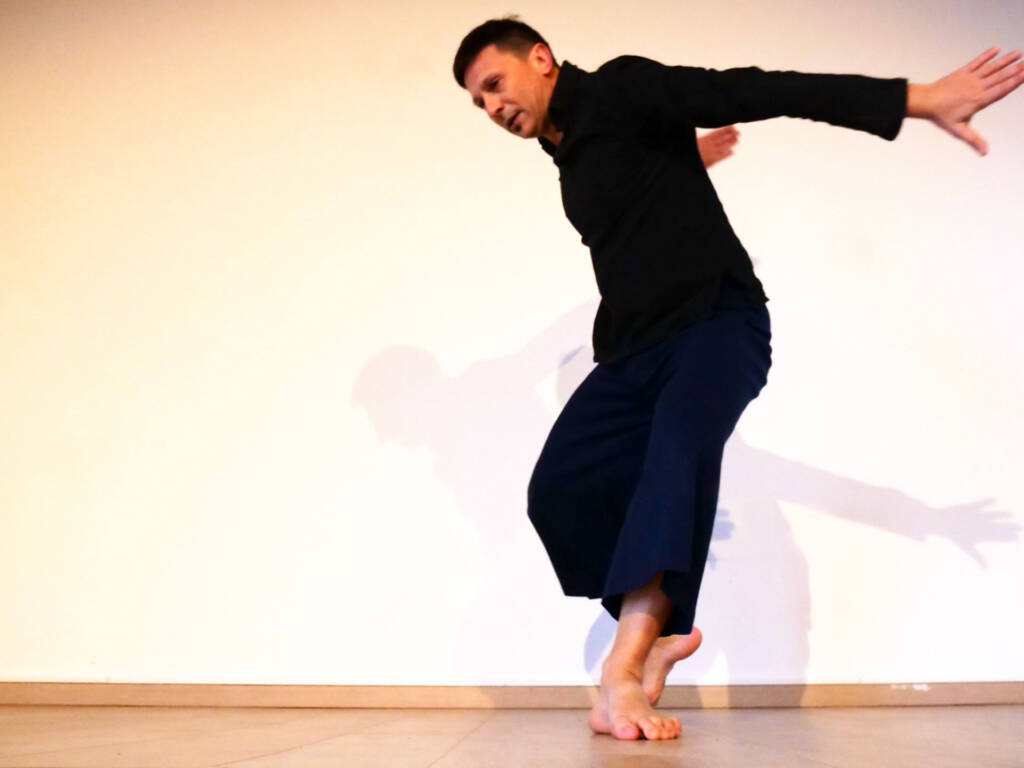
Improvisation labs
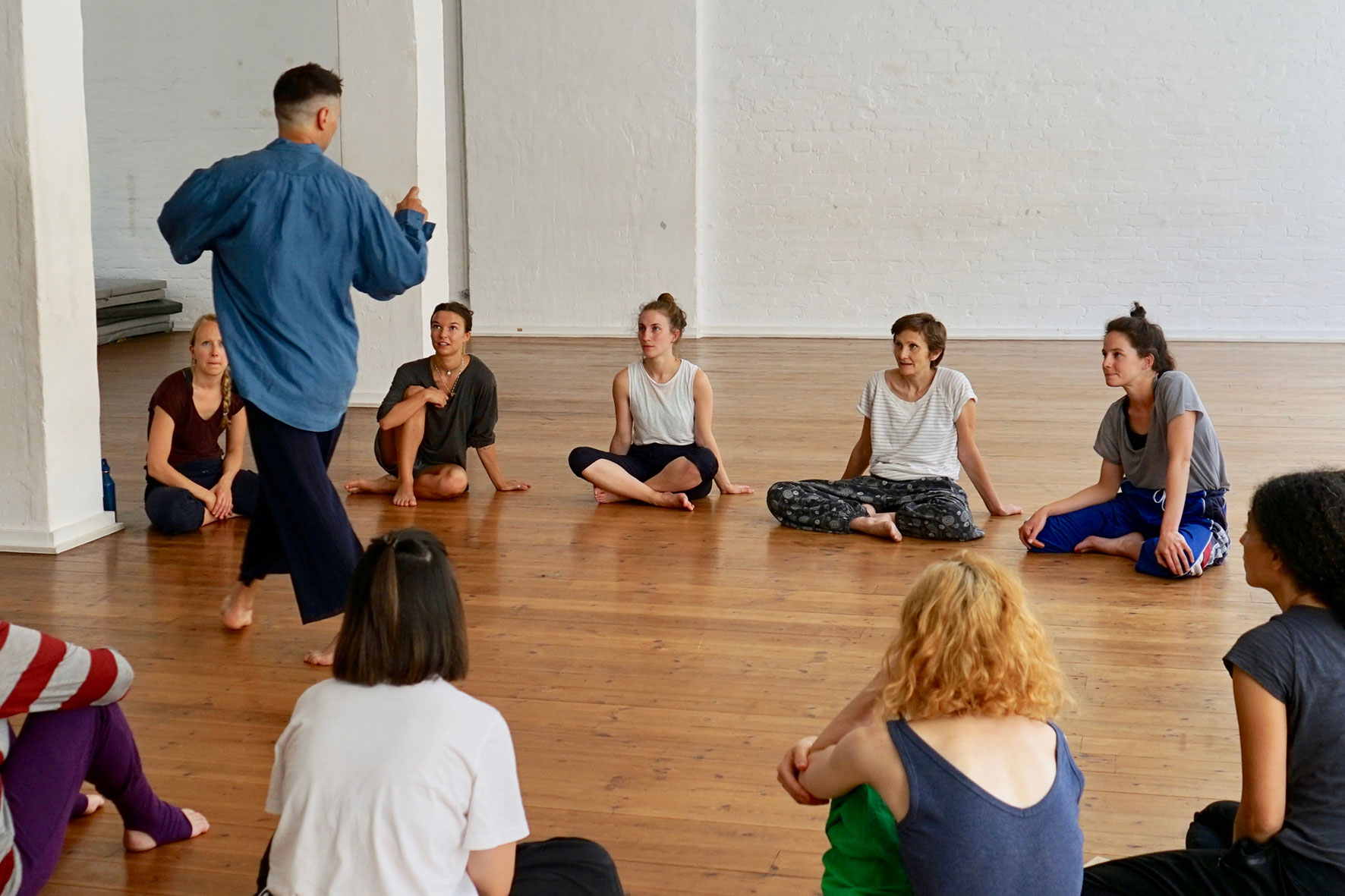
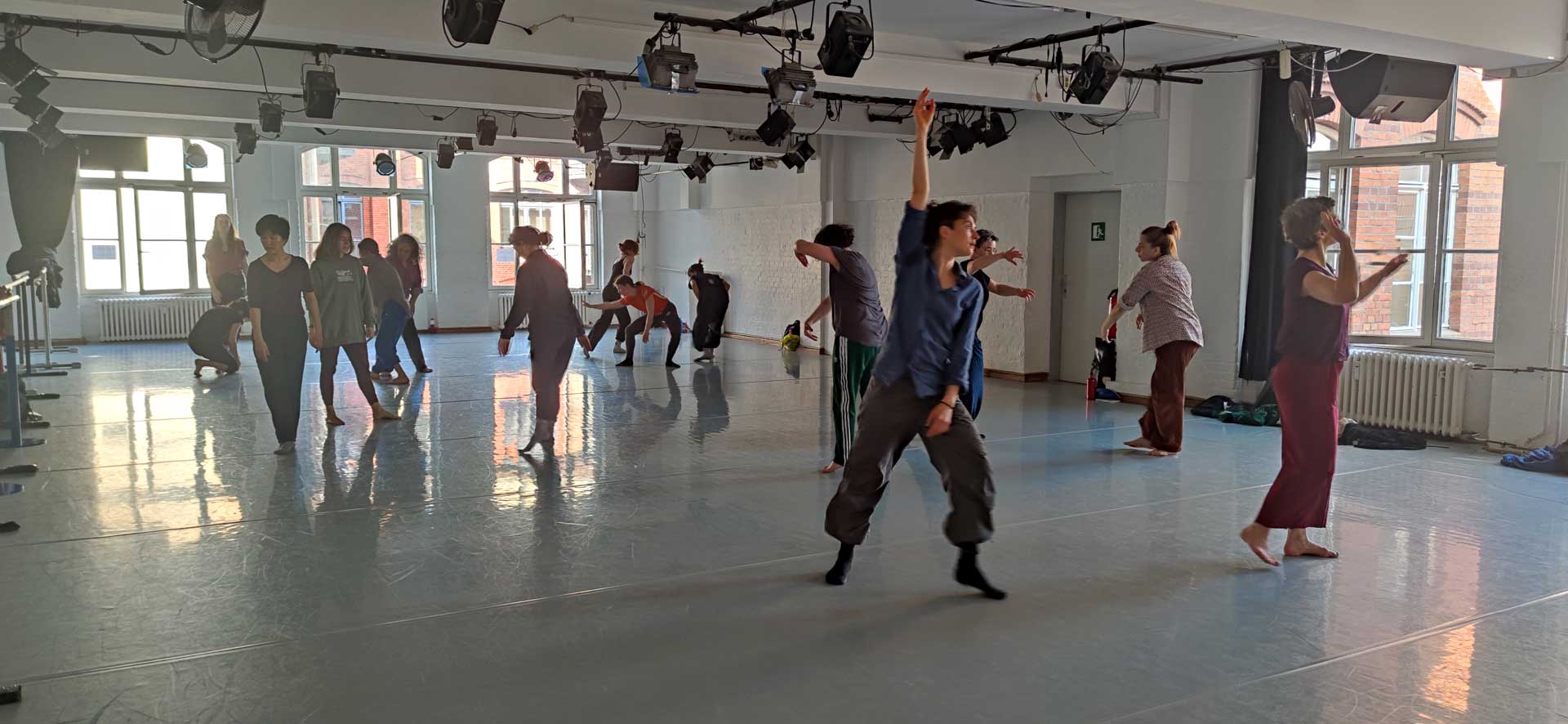
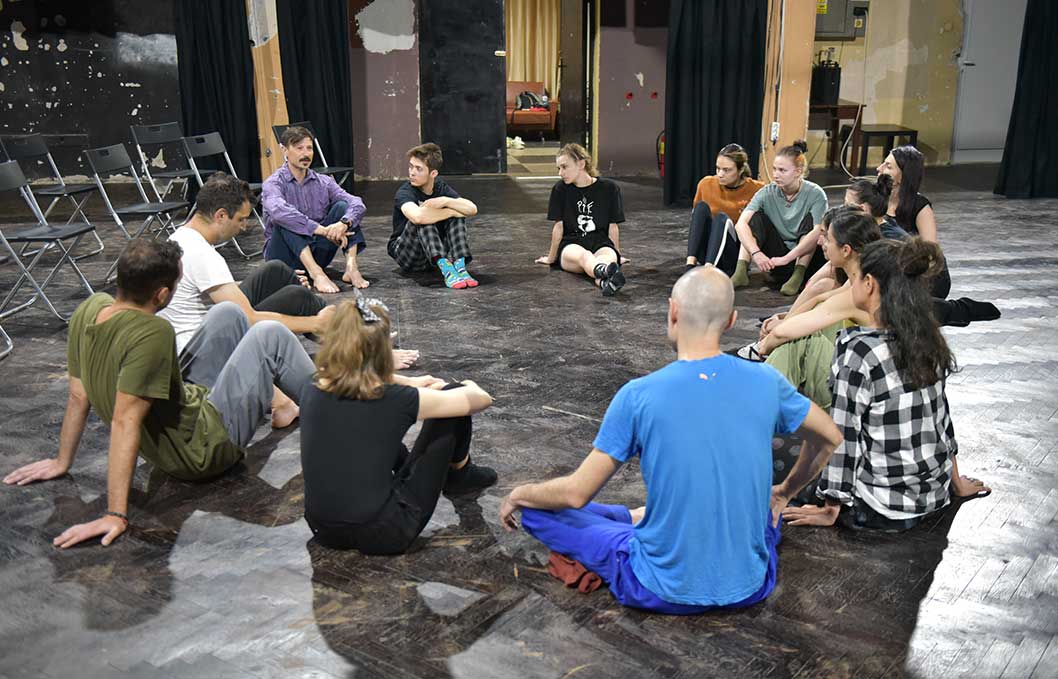
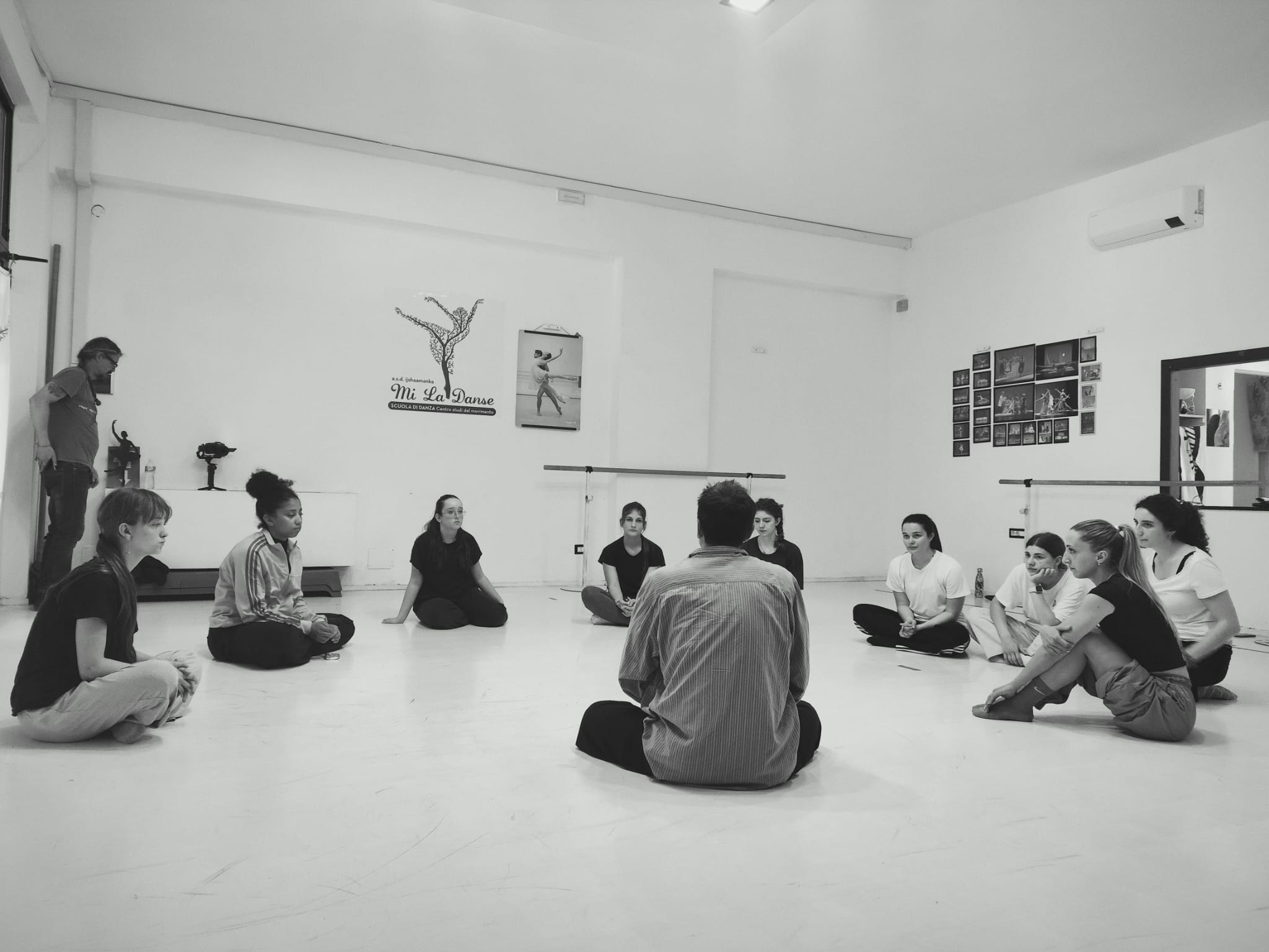
The Improvisation Labs in Senigallia, Recanati and Morro d’Alba are spaces for research, practice and experimentation through movement.
They are open to anyone interested in exploring improvisation, movement and Instant Composition. No specific dance training is required, although previous experience in dance or other physical practices can be useful.
Each session is a unique encounter. A specific theme provides a starting point for investigating the body, perception, space, time, rhythm and the emergence of choreography.
Rather than learning predetermined sequences or forms, the work focuses on developing the ability to perceive, respond and compose here-now.
Improvisation is approached as a practice of Instant Composition: a continuous process in which perception generates movement and movement, in turn, changes perception. What happens in the present becomes material for the next moment.
The aim is not to produce movement for its own sake, but to develop an attentive relationship with what is happening — within the body, in space and in relation to others. Each action opens possibilities, creates relationships and changes the conditions of the composition.
The laboratory becomes therefore a space in which to experiment with uncertainty, develop presence and discover how choreography can emerge without being predetermined.
Research Group
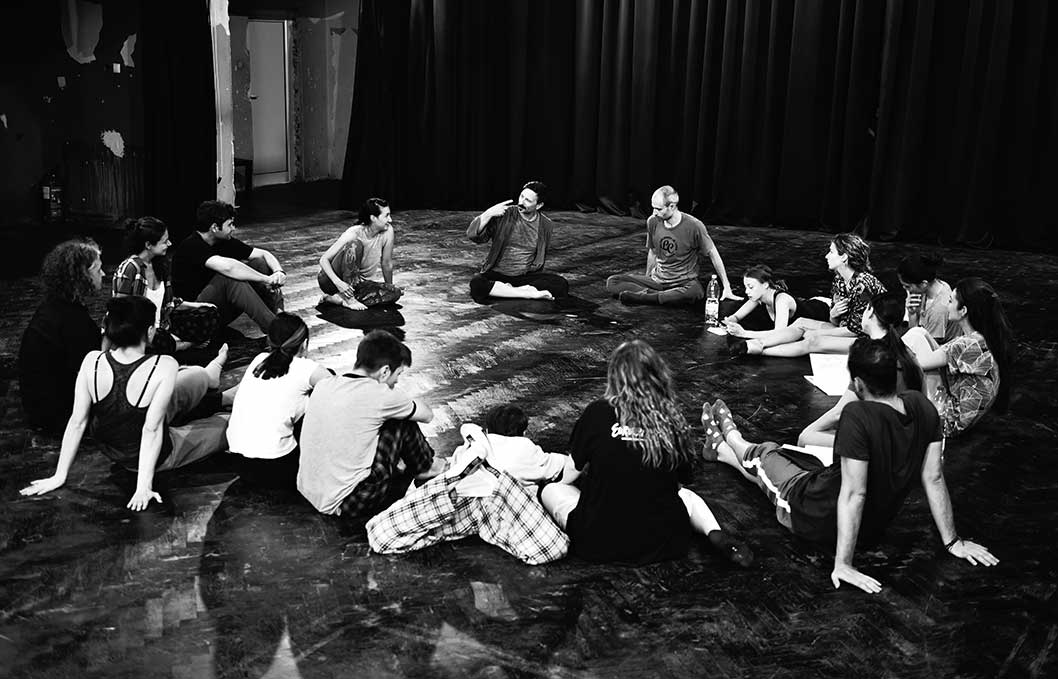
The Instant Composition Research Group in Morro d’Alba is intended for dancers and performers who wish to pursue a more continuous and in-depth investigation into improvisation and Instant Composition.
Participation requires dance experience and a strong motivation to engage in an ongoing research process. A short motivation letter is required when applying.
The other Improvisation Labs are open to a wider range of participants.
For information and registration, please contact me or complete the registration form available on the relevant event page.
labs calendar
Next performances, classes and workshops
who is it for?
FOR DANCERS & PERFORMERS
Artists interested in improvisation, instant composition and performance.
FOR TEACHERS & CHOREOGRAPHERS
People interested in developing tools for teaching, composition and artistic research.
FOR OPEN PRACTICE
Some workshops are open to anyone interested in exploring movement and perception.
Previous dance experience may be required depending on the workshop.